early October 1946, evening
Noah's Evening Routine
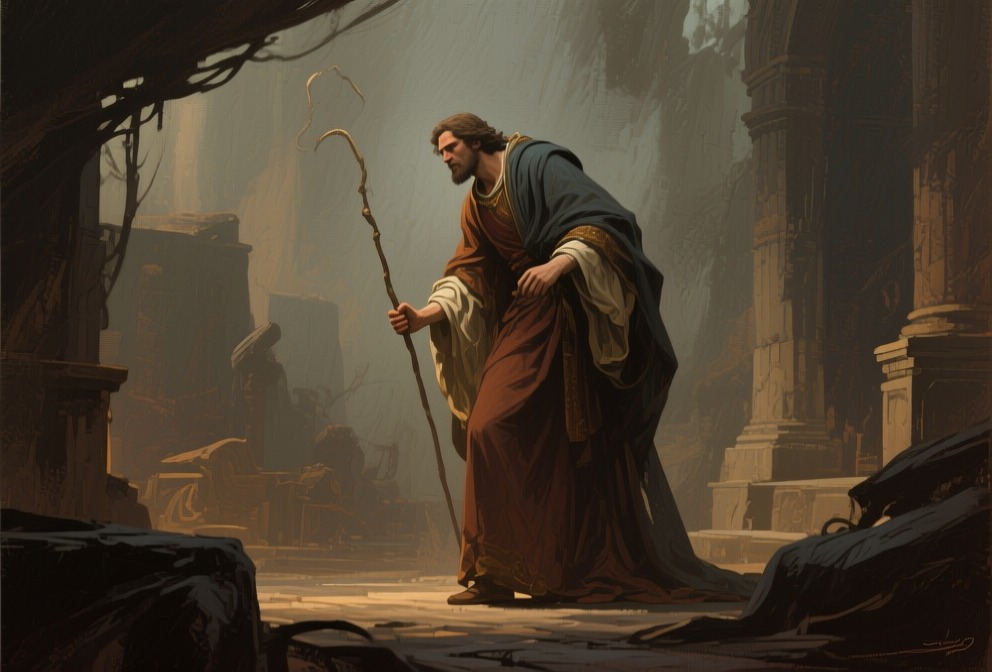
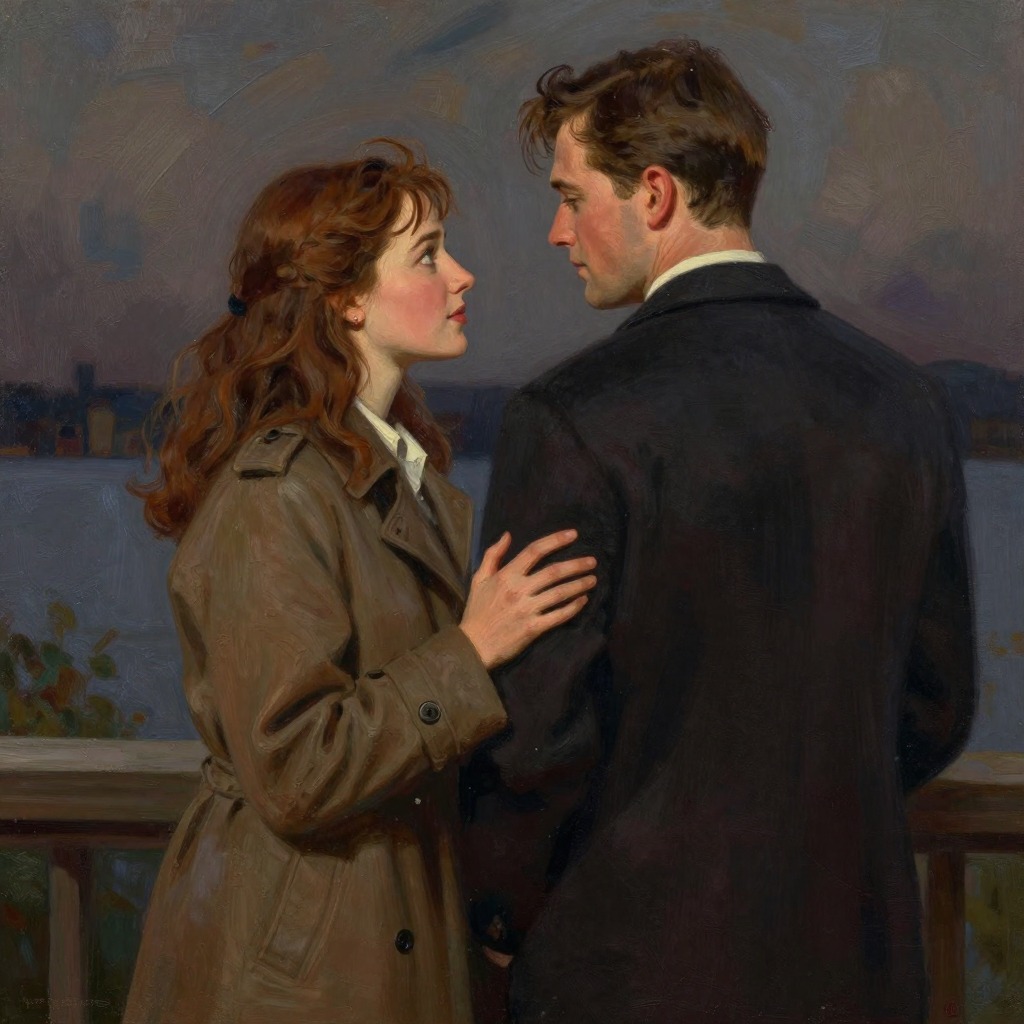
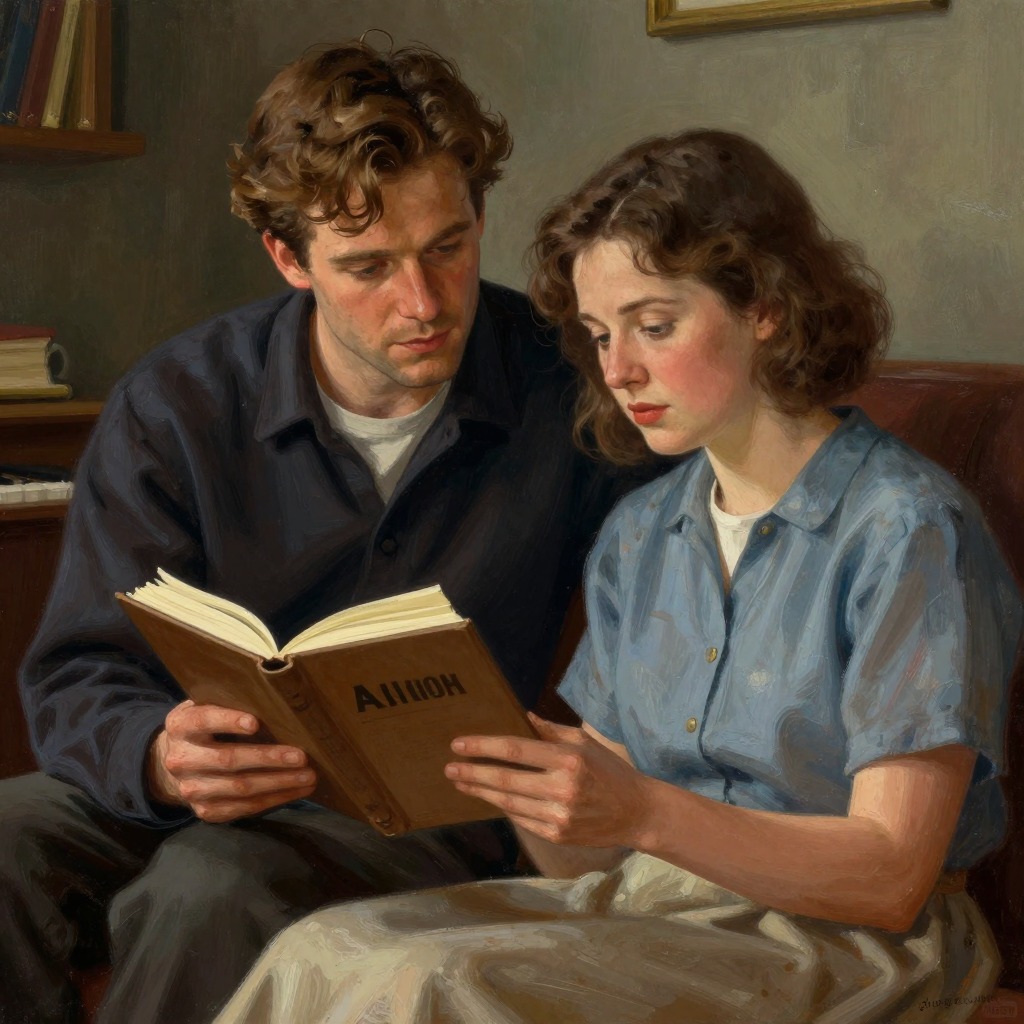
Noah Calhoun, a thirty-one-year-old war veteran, sits on the porch of his restored plantation-style home in New Bern, North Carolina, watching the sunset. He has spent the day repairing the fence on his twelve-acre property adjacent to Brices Creek. After a shower, he puts on faded jeans and a blue shirt, pours himself sweet tea, and returns to the porch with his guitar. He strums and sings softly as night falls, then settles into his rocking chair to look at the stars. His three-legged hound dog, Clem, joins him. Noah reflects on his loneliness and his past, particularly the summer of 1932 when he fell in love with Allie Nelson. He remembers meeting her at the Neuse River Festival, their whirlwind romance, and her departure at summer's end. He thinks about the letters he wrote that went unanswered and the ghost of her memory that haunts New Bern. He waits for his friend Gus, who does not come, and eventually goes inside to read Walt Whitman's 'Leaves of Grass' before writing in his journal and going to sleep.
same evening, a hundred miles away
Allie's Journey to New Bern
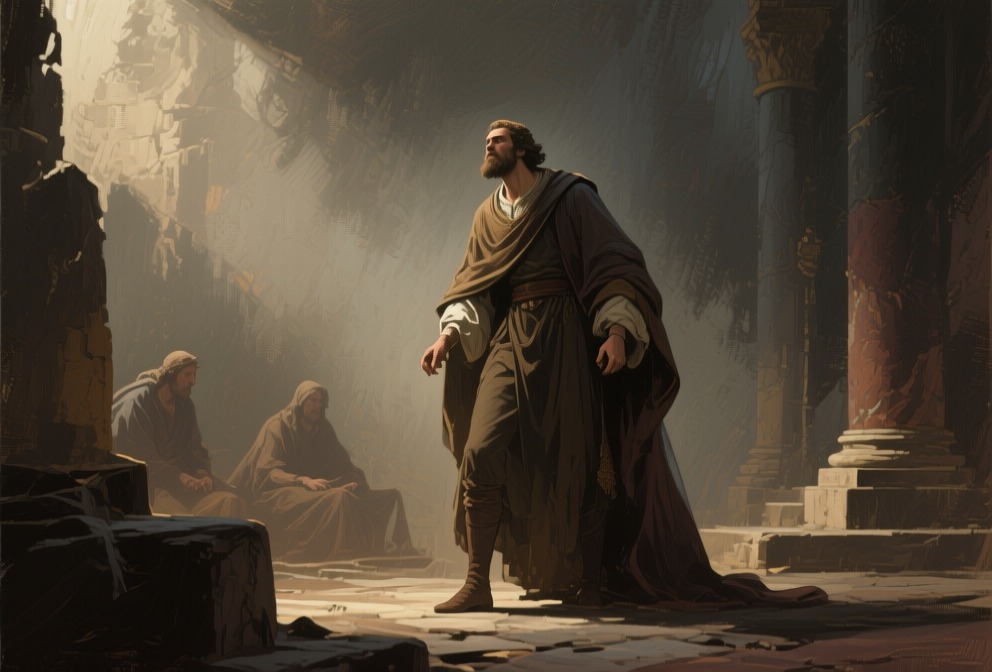
Allie Nelson, now twenty-nine and engaged to Lon Hammond Jr., sits alone on the porch swing of her parents' home in Raleigh, wrestling with a decision. She has been struggling for days, but ultimately decides she must go to New Bern. She lies to Lon, telling him she wants to visit antique shops near the coast to take a break from wedding planning. The next morning, she drives the two hours to New Bern, checks into a small inn, and spends the afternoon shopping for antiques as a cover. She calls Lon from her room, giving him the phone number and promising to call the next day, careful not to arouse suspicion. She reflects on how she met Lon in 1942 while volunteering at a hospital during the war, and how his confidence and humor helped her cope with the horrors of war. She accepted his proposal because she felt secure and loved, but now she feels guilty for being in New Bern. She almost leaves, but the coincidence that brought her here—a newspaper article about Noah's house restoration—compels her to stay. She takes a bath, chooses a simple blue dress, and prepares to visit Noah, her hands shaking with nervousness.
the following morning, early October 1946
Noah's Morning Routine
Noah wakes at five and kayaks up Brices Creek for an hour, as is his custom. After changing into work clothes, he eats a simple breakfast of bread rolls, apples, and coffee. He spends the morning repairing fence posts in the Indian summer heat. At lunch, he eats by the creek, watching mullets jump, and reflects on the constancy of nature versus man's aggression, thinking about the war. He stops working in the early afternoon to fish from his dock. While fishing, he reflects on his childhood: his mother died when he was two, he had a severe stutter that led teachers to think he was retarded, but his father taught him to read poetry to overcome it. He excelled in sports and became popular, but always felt isolated. He thinks about Allie, the only girl who ever made an impression on him. He remembers his friend Fin's prediction that they would fall in love but it wouldn't work out due to class differences. He recalls writing to Allie for two years without reply, then finally accepting it was over. He left New Bern to forget her, working in Norfolk and then New Jersey for Morris Goldman. He rose to run the scrap yard, but never stopped thinking about Allie. He enlisted in the army after Pearl Harbor, and Goldman gave him a certificate for a percentage of the business. After the war, Goldman died, and Noah received a check for almost seventy thousand dollars. He returned to New Bern, bought the house, and began restoring it. His father died of pneumonia shortly after, and Noah visits his grave regularly.
late afternoon, the same day
Allie's Arrival at Noah's House
Allie drives to Noah's house, following the familiar road past landmarks from her summer with him. She sees the old abandoned church and the majestic oak tree where she first fell in love. She remembers Noah reading poetry to her under that tree, his voice soft and musical. She finally sees the house in the distance, dramatically restored. She turns into the long, tree-lined drive and stops beneath an oak tree. Noah steps off the porch and approaches her car. When she emerges, they stare at each other for a long time without moving. Allie is twenty-nine, engaged, and a socialite; Noah is thirty-one, a dreamer haunted by her memory. She finally speaks, saying it's good to see him again. Noah, amazed, stammers a reply. They embrace, dissolving fourteen years of separation. Allie cries, and Noah comforts her. She explains she saw the article about his house in the Raleigh paper and had to come. He says he's glad she did. She feels something deep and old stir inside her, making her dizzy. She fights for control, reminding herself she is engaged. They begin to walk, and she tells him she has something to tell him. He suspects the worst.
later that evening, during their walk
Allie Reveals Her Engagement
As they walk along the riverbank, Allie tells Noah she is engaged to Lon Hammond Jr., a lawyer from a powerful family. Noah feels a sinking feeling but offers congratulations. Allie says the wedding is in three weeks. Noah asks if Lon treats her well, and she says he is a good man. They walk in silence to the top of a hill overlooking the oak tree where they once spent a day. Allie asks if Noah still reads poetry, and he says yes. She tells him he is the only poet she has ever met. They circle back to the house, and Noah asks how long she is staying. She says maybe a day or two, and that Lon does not know she is here. Noah asks if she loves Lon, and she says yes, but he hears uncertainty in her voice. He tells her that if she is not sure, she should not go through with the wedding. She insists she is making the right decision. He apologizes for making it hard, but she says she is glad she came. They agree to be friends for the few days she is there. Noah invites her to dinner at his house, offering to cook the crabs he caught. She accepts.
that evening, at Noah's house
Dinner and Reconnection
Noah prepares a dinner of steamed crabs and fried vegetables while Allie helps. She tours the restored house, amazed at the work. They talk easily, making up for lost time. Noah tells her about his jobs, the war, and his father's death. Allie talks about college, painting, and her volunteer work at the hospital. Neither mentions their past relationships or Lon. During dinner, they regain the intimacy they once shared. Afterward, they sit on the porch, and Noah recites poetry by Whitman, Thomas, Tennyson, and Browning. Allie closes her eyes, feeling the poetry rather than analyzing it. She realizes that Lon cannot evoke these feelings in her. Noah realizes he has fallen in love with her again, not just her memory. He knows she will leave soon and feels empty. They talk about the letters he wrote that she never received, and she realizes her mother must have hidden them. Allie admits she always wondered what would have happened if they had stayed together. She says there is always something missing in her relationship with Lon. Noah asks if she ever thought about them, and she says all the time. He goes to start the crabs, and she thinks about how she wishes she weren't engaged. She whispers to herself that there is nothing normal about any of this.
after dinner, in the living room
Allie's Painting and Noah's Encouragement
Noah shows Allie the painting she gave him the summer they were together, which hangs above his fireplace. He tells her it is incredible and makes him feel alive. Allie is surprised he kept it. She explains that she stopped painting after college because her parents did not think it was proper for someone of her social standing to be an artist. She has not touched a brush in years. Noah insists she is an artist and that her talent comes from her heart. He tells her she can still paint. His sincerity moves her, and she realizes he truly believes in her ability. For a fleeting moment, she wonders if she is in love with him again. The moment is interrupted by the kitchen timer. Noah turns away, affected by what just happened. Allie follows him into the kitchen, and they prepare the table. Their fingers touch briefly as he hands her the bread. They eat dinner, and Allie feels clumsy but realizes Noah does not care about such things. They talk for hours, and by the end of the evening, they have regained the bond they once shared.
later that night, after Allie returns to her inn
Noah's Loneliness After Allie Leaves
After Allie leaves, promising to return the next day, Noah sits on the porch for hours, replaying the evening in his mind. He whispers to himself that she is engaged. He is overcome with longing and grief, and he bends over in his rocker with his face in his hands, crying. He does not know how to stop the tears. Clem checks on him occasionally. The night is quiet except for the sound of his rocking chair.
the same evening, in Raleigh
Lon's Suspicion
Lon Hammond Jr. tries to reach Allie at the inn, calling at seven, eight-thirty, and nine-forty-five, but there is no answer. He is the last one in his office, working on a trial. He is a successful lawyer who pays attention to details, and a small detail bothers him. He remembers something Allie's mother once said about Allie being in love with a young man from New Bern. He realizes Allie is in New Bern now, and he becomes frightened that she might be with that man. He decides he will do anything to keep her. With trembling hands, he dials the phone for the fourth time, but again there is no answer.
the next morning
Allie's Morning of Reflection
Allie wakes early, having slept in Noah's shirt. She thinks about the evening they spent together and remembers how he talked about her painting. She looks out the window and thinks about Noah, knowing he is a morning person who likes to kayak. She remembers a sunrise they watched together in his canoe. She takes a bath and wonders if he was on the water this morning. She spends the morning downtown, visiting Fort Totten Park and an art gallery. She buys paper, drawing chalk, and pencils, and returns to her room to sketch. She draws a street scene and then a portrait of Noah from memory. She finishes just before noon, pleased with the results. On her way out, the inn manager tells her that Lon called four times the night before. She is shocked and worried, but realizes he is probably in court and she cannot reach him. She asks the manager to tell him she is shopping and will call later. She drives to Noah's, anticipating the day, largely unconcerned about the calls.
late morning, the same day
Canoe Trip to the Swan Lake
Noah is sitting on his porch when Allie arrives. She kisses him on the cheek, and he tells her he had planned a surprise but is worried about approaching storm clouds. Allie insists they go anyway. They take a canoe up Brices Creek to a hidden lake. The lake is spectacular, filled with thousands of tundra swans and Canada geese. Allie is amazed by the beauty. They sit in silence, watching the birds, and Noah points out a group of chicks. Allie feeds them bread. Thunder booms in the distance, and they know it is time to leave. As they paddle back, rain begins to fall, gradually becoming a downpour. Allie laughs and gives up trying to stay dry. Noah paddles hard, and they reach the dock just as the storm intensifies. They run to the house, holding hands. Allie feels the outline of her breasts through her wet dress, and Noah is aroused. They change into dry clothes, and Allie puts on Noah's cotton trousers and shirt. She feels a secret thrill at being naked in his room. She brushes her hair and goes downstairs.
afternoon and evening of the same day
Making Love by the Fire
Noah builds a fire in the living room, and Allie sits on the rug in front of it, wrapped in a quilt. He pours bourbon, and they talk. Allie says she has always loved thunderstorms because they seem romantic. She tells Noah she remembers making love with him the most from that summer, and that he was her first and only. Noah admits he was afraid too. They kiss, and their passion builds. They make love by the fire, and Allie feels every responsibility slipping away. They spend the rest of the day and night in each other's arms, making love and talking. Noah recites poetry, and they fall asleep together. In the moments before daybreak, Allie wakes and reaches for Noah. He whispers that she is the answer to every prayer he has ever offered. She pulls him to her, needing him more than ever.
the same morning
Lon's Journey to New Bern
Lon Hammond Jr. requests an adjournment of his trial, citing a personal matter. The judge agrees, and Lon leaves the courthouse. He gets into his car and begins the drive to New Bern, his hands shaking. He is determined to find Allie and confront her.
late morning, the same day
Anne Nelson's Visit
While Noah and Allie are doing dishes, there is a knock at the door. Noah opens it to find Anne Nelson, Allie's mother. She asks to come in. Allie is shocked. Anne explains that she saw the article too and knew Allie would come. She tells Allie that Lon called her the night before, asking about Noah, and that he is on his way to New Bern. Anne says she did not tell Lon where Allie was, but he will find her. Anne gives Allie the bundle of letters Noah wrote, which she had hidden all those years. She apologizes for keeping them. Anne tells Allie she must make her own decision, but that she loves her. She whispers, 'Follow your heart,' and leaves. Noah watches her drive away, recognizing her strength. He goes to the back porch to give Allie space. Allie joins him, and they talk. She says she wants to stay with him but is afraid of hurting Lon and her family. Noah tells her she cannot live her life for other people. He asks her to stay, but she says she does not know if she can. They embrace, and Allie cries. She goes inside to get her things, leaving Noah on the porch.
later that morning
Allie's Departure
Allie emerges from the house with her belongings and hands Noah a drawing she made of him and the house. He thanks her, calling her an artist. They walk to her car, and Noah embraces her. He kisses her and tells her he loves her. She says she loves him too. He opens her car door, and she gets in. He mouths 'Stay with me' without sound, but she cannot. She puts the car in gear and drives away. Noah watches until her car disappears, feeling dizzy. He knows she is gone for ever this time.
later that day, at the inn
Allie's Decision to Stay
Allie drives back to the inn, crying. She sees Lon's car in the parking lot. She sits in her car for a moment, reading Noah's final letter, which her mother returned to her. The letter is a goodbye, expressing love and acceptance. She steps out of the car and walks to the inn. She opens the door and sees Lon standing in the lobby. She knows then what she must do. She tells him she cannot go back with him, that she has always loved Noah. Lon tries to change her mind for almost an hour, but she stands firm. He finally accepts her decision, telling her Noah is a lucky man. He walks her to her car, and she returns to Noah's house. Noah greets her with a simple 'How about some coffee?' and never brings up her departure again.
after Allie's return, spanning decades
Marriage and Family Life
Allie and Noah marry in a small chapel. They have five children, four of whom survive. Allie becomes a famous painter, one of the best southern painters of the twentieth century. Noah supports her art, building her a studio. They raise their children together, experiencing joys and sorrows, including the death of their four-year-old son. Noah writes letters to Allie throughout their marriage, expressing his love. They grow old together, their hair turning white, their faces lined. They move to Creekside Extended Care Facility after Allie's Alzheimer's diagnosis. Noah reads to her every day from the notebook he wrote, telling their story, hoping to bring her back to him.
four years before the present
Alzheimer's Diagnosis
Allie begins to show signs of confusion: forgetting keys, neighbours' names, and the year. She puts an iron in the freezer and clothes in the dishwasher. One day, Noah finds her in the car three blocks from home, crying because she cannot find her way home. Dr. Barnwell diagnoses her with early-stage Alzheimer's disease. Allie is devastated, apologizing to Noah. He holds her and rocks her, telling her everything will be fine. She organizes her affairs, writing letters to friends and family, and a final letter to Noah. She asks him to write their story so that she might find her way back to him. Noah agrees, and they move to Creekside Extended Care Facility.
the present, every morning
Noah's Daily Reading
Every morning, Noah, now an old man with arthritis and cancer, reads the notebook aloud to Allie, who does not recognize him. He sits by her bed, puts on his glasses, and uses a magnifier to read the story. He hopes for a miracle, that she will remember him. The nurses whisper about him as he passes. He reads the story of their love, from their first meeting to their reunion. After he finishes, he closes the notebook and wipes his eyes. Allie stares out the window, not looking at him. He waits for her to speak, knowing that sometimes, after he reads, she remembers.
the present, after the reading
A Day of Recognition
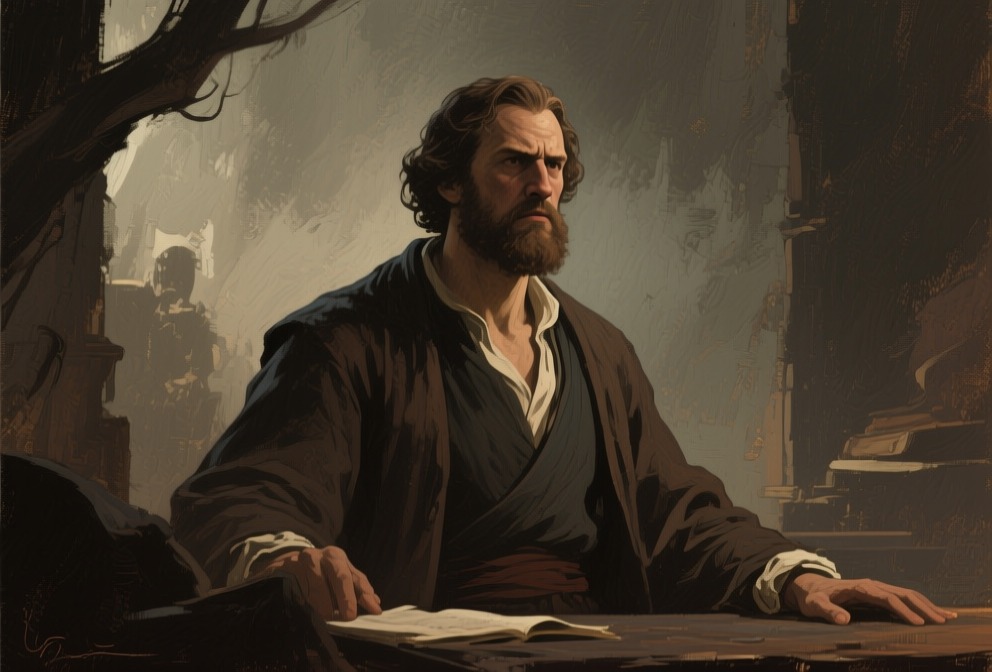
After Noah finishes reading, Allie asks if the story is true. He says yes. She asks which man she married, and he tells her she will know by the end of the day. They spend the day together, walking by the creek and watching birds. Allie does not remember who Noah is, but she feels a connection. She asks him his name, and he says 'Duke.' She tells him she feels lost. He comforts her, telling her she is a lover of life and an artist. They sit on a bench, and he puts his hand on her knee. She does not make him move it. They have dinner by candlelight in her room. As they talk, Allie suddenly says she knows who Allie chose: Noah. Noah confirms it. She calls him by his name, and they share a moment of love and recognition. She tells him she loves him. But as the evening progresses, the Alzheimer's returns. She begins to hallucinate, seeing gnomes, and becomes terrified. She does not recognize Noah and screams at him to go away. The nurses come to comfort her, and Noah cries in the corner.
eight days after the day of recognition
Noah's Stroke
Noah wakes early with a headache. He sits by the window, watching the creek. He feels a tingling in his hand, then a pounding in his head. He loses his sight and hears a roaring sound. He realizes he is having a stroke. In his last moments of consciousness, he thinks of Allie, waiting for the story he will never read. He is unconscious for days, hooked to machines. Doctors predict paralysis and loss of speech. He drifts in and out, thinking of Allie. Finally, he wakes and asks for water. Dr. Barnwell welcomes him back.
two weeks after the stroke, on their 49th anniversary
Anniversary Night Visit
Noah, now partially paralyzed, returns to his room. He is determined to see Allie on their anniversary. He waits until the night nurse, Janice, goes for coffee, then shuffles to Allie's room. He enters and closes the door. He sits on her bed and slips a love note under her pillow. He touches her face, and she wakes. She does not scream. Instead, she kisses him and says she has missed him. They embrace, and she begins to unbutton his shirt. Noah feels a miracle: she remembers him. They make love, and Noah feels young again. He knows that their love has triumphed, at least for this moment.